It may not be public knowledge, but it was an experience at the inaugural HLTH that inspired the creation of the HIT Like a Girl podcast. Our cheeky podcast name was born out of anger and frustration from the lack of women’s voices in places where it matters — like on the stages where important conversations are held and that influence some of the biggest decisions that are made in our industry.
Which is why this year’s event was extra special to us. This year, the message was loud and clear that underrepresented voices matter at the HLTH event, and its organizers took great care to bring them to the room where it happens. Final stats for #HLTH2022 boasted a lineup that included 54% women speakers, 38% people of color, and a “Genius Bar” chock full of patient voices. Not only that, they partnered with the HIT Like a Girl pod team so that we could amplify the conversations well after the event is over.
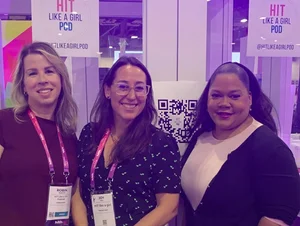
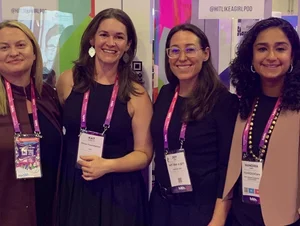
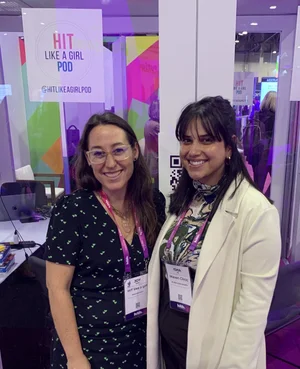
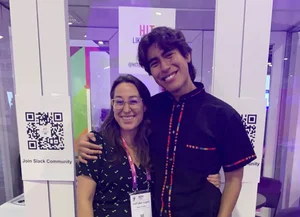
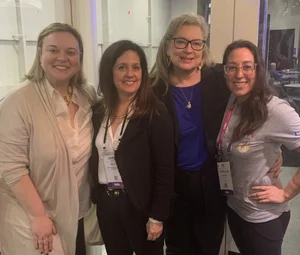
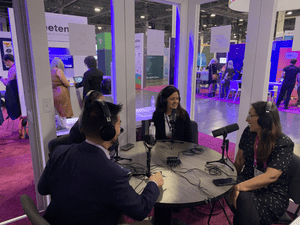
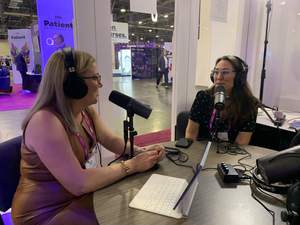
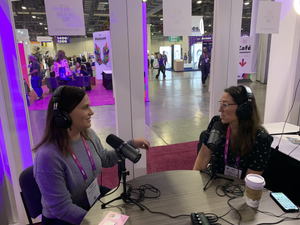
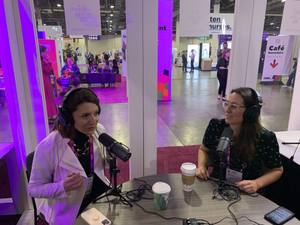
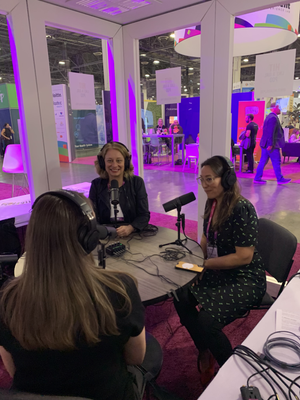
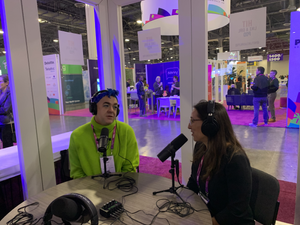
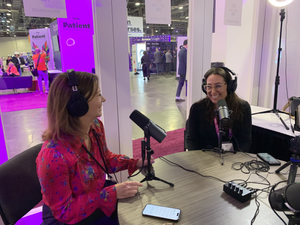
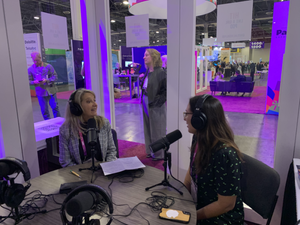
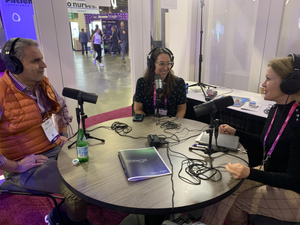
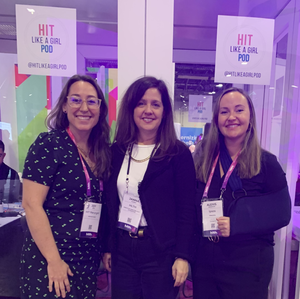
We owe a massive thanks to Janna Guinen, Maddie Coffin, Mary Sheridan, and Rich Scarfo for making space for us in the Impact Pavilion. With a dedicated booth, we were able to record 15 podcast episodes with more than 20 guests in just two days.
From teenage therapy to funding trends in digital health, new resources for women’s health, and the metaverse’s future in healthcare, we covered a lot of territories.
Stay tuned for conversations with some incredible guests on some very ambitious topics. Thank you to: Adimika Arthur, India Williams, Dr. Jenny Carrillo, Nathan Bowser, Mandira Singh, Kelly Bliss, Jaime Bland, Kat McDavitt, Kristen Jacobsen, Snezana Mahon, Katy Allen, Katy Geguchadze, Cynthia Church, Chris Slocumb, Lisa Collins, Beth Friedman, Julian de Salaberry, Liz Bickley, Gael Aitor, Isha Vij, Alexis Anderson, Ricky Choi, Nancy Green, and Kate Liebelt
HLTH’s mascot is a unicorn, but we’ve got the highest of hopes that this level of intention and care to be more inclusive is not just a rare sighting, but a foundation from which to continue to challenge the status quo. We’re here for it!
 |
 |
 |
 |
 |
 |
 |
 |
 |
 |
 |
 |
 |
 |
 |
 |