
Climate change is never a singular issue. Many industries affect climate change, and it affects many industries. This cyclical effect can be disheartening to watch, especially since climate change and those related industries can affect public health. Waste management is a specific industry that has a cyclical effect on climate change, and they both affect public health. How is climate change affecting waste management, and how does that impact public health? Keep reading to learn more.
Climate Change Affects Waste Management
Climate change refers to long-term shifts in temperature and weather patterns across the globe. Currently, these shifts are making the planet hotter than it should be. This temperature increase negatively affects many aspects of Earth and how we live on it, including more natural disasters.
Natural disasters require lots of waste management as we clean up our communities. Government agencies, natural disaster response teams, and waste management companies need to work together to plan for proper waste management following these emergencies. Otherwise, waste can build up and cause additional emergencies (such as fires) and public health issues (such as disease outbreaks).
Waste Management Affects Climate Change
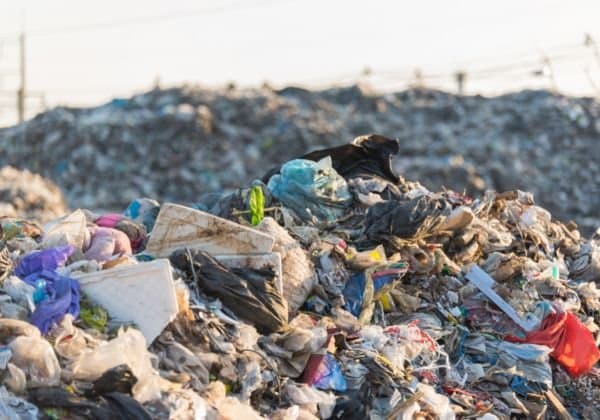
As we mentioned above, climate change includes long-term shifts in temperature and weather patterns across the globe. While some of these shifts are natural, human contribution is on the rise. We contribute to climate change through poor waste management. As we haphazardly throw away trash that ends up in landfills, those landfills generate methane, a greenhouse gas. Solid waste combustion facilities, which burn some forms of trash, also release a greenhouse gas: nitrous oxide.
Greenhouse gases trap heat in our atmosphere, causing the planet’s temperature to increase more than it should. These hotter temperatures can damage ecosystems, affect weather patterns, and even contribute to the spread of diseases.
Dual Impact on Public Health
The examples we’ve cited above are just a fraction of the dual impact that climate change and poor waste management can have on public health. Improper waste disposal causes pollution that can damage our food, water, and soil, leading to short and long-term health problems such as asthma attacks and infertility.
Continuing to dispose of waste without considering how it affects the planet will cause more public health problems, such as the breeding of diseased insects. Concerned citizens and people within waste management must understand the different types of waste streams and find eco-friendly destinations for those waste streams.
Attempting to fight climate change without considering waste management will also lead to public health problems. If we focus only on mitigating the rising temperatures without creating solutions for the natural disasters and dangerous waste they cause, we allow public health crises to emerge. Natural disaster waste often holds hazards such as radioactive materials and corrosive liquids that can cause short and long-term health effects, including skin burns and cancer.
Climate change affects waste management just as waste management affects climate change; both impact public health. If we want to create healthier communities that benefit the people and the planet, then we must mitigate climate change and improve waste management.