

Imagine walking into a room where everyone knows your company but not you — it’s like being a ghostwriter for your autobiography. This scenario is all too familiar for many women in leadership. While they are often celebrated as the face of their organization, there’s a crucial piece of the puzzle often left unattended: their personal brand. In the dynamic theater of modern business, women in leadership roles aren’t just emissaries of their companies but also the playwrights of their unique narratives. Establishing a solid personal brand isn’t just an add-on; it’s an essential chapter in their success story. Let’s discuss the why and how of personal branding. I’ll break down how to ensure that women represent their companies effectively and shine in their individual identities, making their mark in the business world.
One of the most significant hurdles in personal branding for women in leadership is navigating the labyrinth of stereotypes and gender biases. These preconceived notions often overshadow their individual talents, reducing their multifaceted personas to mere reflections of their roles within the company. Now, I don’t want to beat a dead horse here. Still, women leaders frequently find themselves in a tightrope walk, balancing embodying their company’s values while also carving out a unique identity that resonates beyond their corporate avatar. This balancing act is further complicated by the societal reluctance to accept women who boldly showcase their talents and achievements. There’s a delicate, often unspoken line between being perceived as a team player and being seen as self-promoting. Women in leadership positions need to not only break through these glass ceilings of expectations but also create a space where their personal brand is celebrated for its distinctiveness and not just as an extension of their brand. Embracing and showcasing their unique talents, perspectives, and leadership styles is not just acceptable; it’s essential for their growth and recognition in the business arena. I’ve done the legwork on this one, ladies; check out my recent article on the “Five Years In; Five Years Out strategy.” It’s about building your identity while supporting your company’s mission.
At the core of a powerful personal brand is authenticity, an unwavering commitment to one’s values and beliefs. This authentic foundation is what differentiates a leader and resonates with others. To build a brand, visibility, and networking are essential. Women leaders should actively seek opportunities to showcase their expertise and insights. This can be achieved through speaking engagements at industry conferences, participating in panel discussions, and engaging in community events.
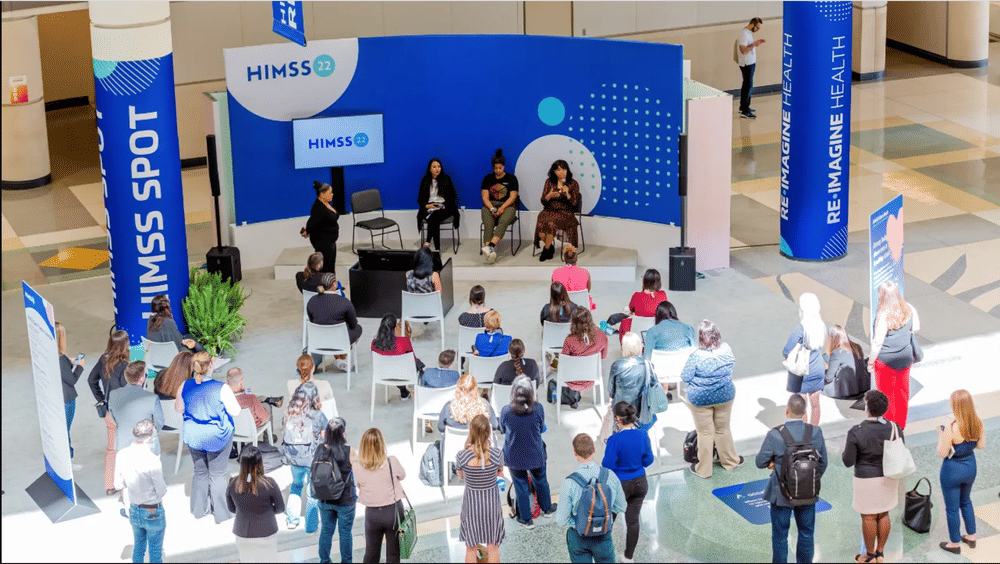
Additionally, leveraging social media platforms is a strategic way to amplify your voice and reach a broader audience. Whether LinkedIn, Twitter, or industry-specific forums, these digital spaces offer a stage to share thought leadership and connect with peers. However, visibility is not just about being seen; it’s about being recognized for a consistent message and image. Maintaining consistency across different platforms is crucial. This means ensuring that the tone, messaging, and visual elements of one’s personal brand are harmoniously aligned, whether in a LinkedIn article, a tweet, or a keynote speech. Such consistency reinforces the brand and builds trust and credibility with the audience. By weaving together authenticity, strategic visibility, and consistent messaging, women in leadership can craft a personal brand that is both impactful and enduring.
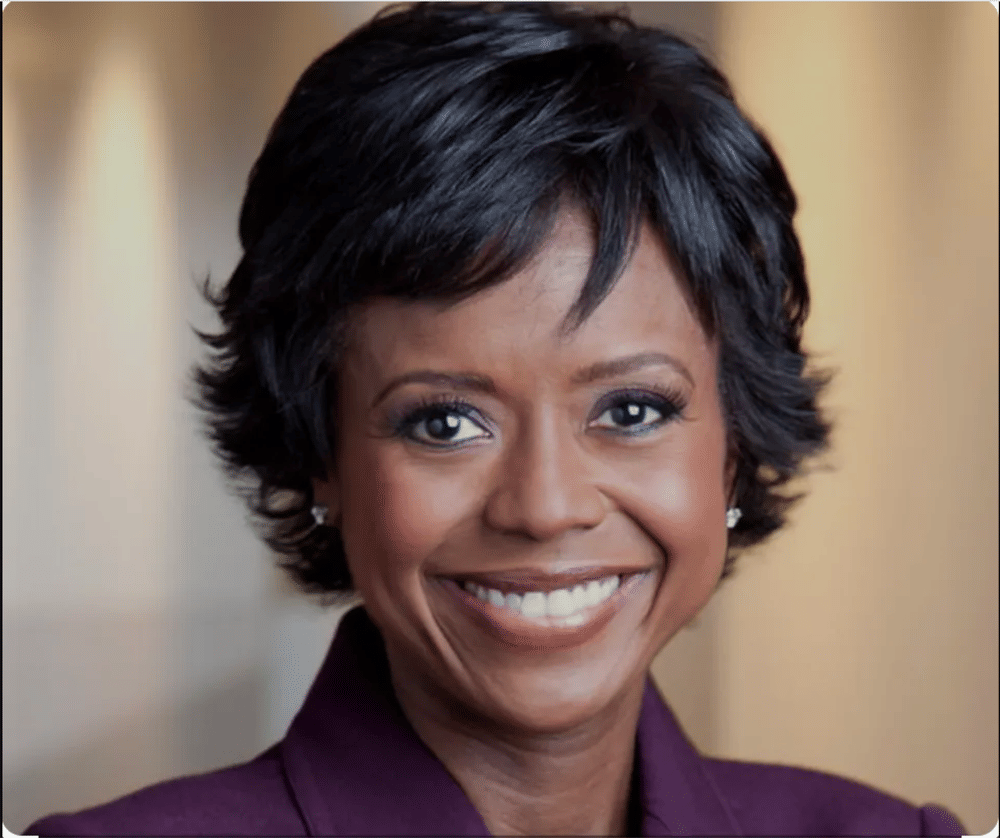
Take, for instance, Mellody Hobson, the Co-CEO of Ariel Investments. Hobson’s journey exemplifies how a woman in a leadership role can be influential for her company and in her own right. While she adeptly represents Ariel Investments, her personal brand stands out distinctly in the finance world. Hobson is known for her insightful perspectives on financial literacy and economic empowerment, topics she frequently discusses in public forums and media appearances. Her active engagement in these areas extends her influence well beyond her corporate role. Another exemplary leader is Indra Nooyi, the former CEO of PepsiCo. Nooyi carved a personal brand synonymous with innovative leadership and a forward-thinking approach to corporate sustainability and women’s empowerment. Through her unique leadership style and public engagement, she created a distinct personal brand that resonates with a broad audience. From these examples, a common thread emerges: the successful cultivation of a personal brand hinges on identifying one’s unique strengths and values and consistently communicating them in various forums. Whether through public speaking, media engagement, or social advocacy, these women leaders have demonstrated that a solid personal brand is built on authenticity, visibility, and a commitment to one’s core values.
So we’ve talked about the what; let’s get into the how. Building a personal brand is a journey that begins with introspection. Here are some actionable steps to guide this process:
-
Start with Self-Reflection: Dedicate time to introspectively assess your core values, strengths, and career aspirations. Ask yourself what you stand for, what you’re passionate about, and what unique perspectives you bring to your field. This self-awareness is the bedrock of your brand.
-
Building a Personal Brand Statement: Based on your self-reflection, craft a personal brand statement — a concise yet powerful expression of who you are and what you offer. This statement should encapsulate your unique value proposition and resonate with your target audience. Think of it as your professional mission statement, guiding your actions and communications.
-
Leveraging Social Media: Utilize social media platforms to amplify your voice and extend your reach. Begin by choosing platforms that align best with your professional field and target audience. Create content that reflects your brand statement, showcases your expertise, and engages your audience. Be consistent in your messaging but also authentic in your interactions. Remember, social media is not just a broadcasting tool; it’s a two-way street for engagement and relationship building.
By following these steps, you can start laying the foundation for a robust personal brand that resonates with your professional ethos and connects with your audience effectively.
Here’s the thing — personal branding for women in leadership isn’t just about creating a favorable image; it’s about authentically representing who you are, what you stand for, and the unique contributions you bring to the table; you can’t fake it. As we’ve explored, this journey involves overcoming stereotypes, embracing individuality, and consistently communicating your brand across various platforms. Remember, your personal brand is a powerful tool that shapes how you are perceived professionally. It’s the narrative that you write and the legacy you build. So, take these insights, apply the practical steps, and start crafting a personal brand that not only complements your role within your company but also echoes your unique voice in the vast leadership arena. The world needs to hear your story, beginning with the brand you build.
Let me know your thoughts, and if this information resonates with you, please share it. You can follow HITLikeagirlpod on all social media platforms.